
Insights

Herding Squirrels Ep 17
In this conversation, Rosemary shares the story of successfully merging two engineering teams, navigating a high-stakes product launch under time pressure, and the leadership lessons learned from experiencing both her best and worst team experiences. Rosemary offers practical wisdom on building psychological safety, managing uncertainty during organizational change, and why "thrashing" - expending energy without direction - might be the biggest hidden threat to team effectiveness. Her insights on transparency, leveraging diverse perspectives, and using AI tools to challenge leadership blind spots provide a fresh perspective on modern engineering leadership.

Herding Squirrels Ep 16
You're caught between your team's needs and executive expectations—and you're wondering if there's a better way. Jossie Haines spent 25+ years leading engineering teams at Apple, Zynga, Tile, and American Express, and she's figured out what actually works. You'll hear about the three pillars that keep new leaders from drowning, why your engineers need to process change before moving forward, and what made one team gel so powerfully they built a social network in two weeks.

Team Laughter Builds Connection
Every "ha ha" after a colleague's mediocre joke? Social investment. Every shared chuckle over something mundane? Relationship building. Every moment of genuine team laughter? Strengthening the invisible bonds that make actual collaboration possible. The best teams understand something important: laughter isn't a break from the work. It's part of the infrastructure that makes the work successful.
Why Your Team Won't Say No
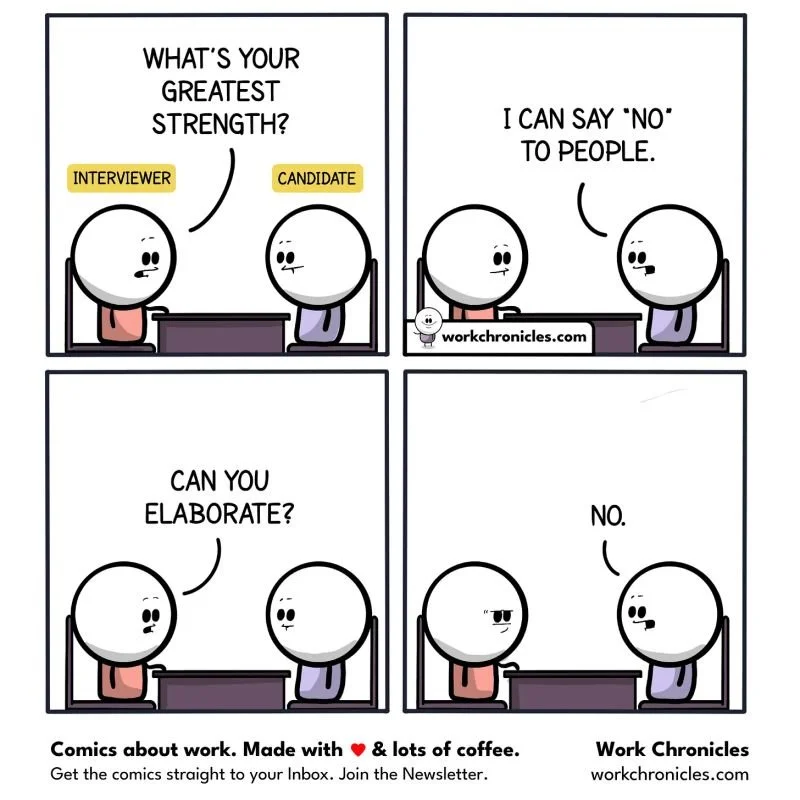
Stop thinking psychological safety is some touchy-feely HR initiative. It's your organizational immune system. When your team's immune system is strong, problems surface early. Course corrections happen naturally. Disasters get prevented, not managed. When it's weak? People retreat into survival mode. Your team is constantly calibrating: "What happens when I speak up here?" The answer to that question, accumulated over dozens of small interactions, determines whether they'll save your next big initiative or watch it burn.

Why Workshops Matter
Most workshops are performative. You gather everyone in a room, go through the motions, check a box, and return to business as usual. Nothing shifts. Nothing improves. You've just created expensive theater. But here's what separates transformative workshops from time-wasting ones: Pattern disruption.

Herding Squirrels Ep 15
You're standing on uneven ground. Some days feel solid, other days you're balancing on smaller steps, wondering if you're doing the right thing. Your team is burning out. Deadlines are crushing. And somehow, you're supposed to care about people while shipping product. In this episode, Harini Rajagopal uses LEGO bricks to reveal what made her best team experience happen during COVID—when everything was falling apart. She builds the difference between micromanagement and trust, shows why "you don't have to be best every single time," and shares the leadership advice that turns three impossible options into thirty. If you're trying to balance time pressure with team care, wondering how to lead without all the answers, or navigating the constant tension between shipping and supporting, this conversation will give you permission to be human.

Herding Squirrels Ep 14
You’ve felt it before—that moment when your team just works. Everyone knows what they’re doing, has what they need, and you’re all moving in the same direction. But you’ve also experienced the opposite: the chaos, the misalignment, the daily fight for relevance. In this episode, Adam Tal uses LEGO bricks to build the difference between these two realities. Through hands-on models, Adam reveals what separates teams that thrive from teams that merely survive, why staying at an organization long enough to see the results of your decisions matters more than you think, and what new leaders need to know about supporting rather than directing their teams. If you’re navigating organizational change, leading through uncertainty, or wondering how to create stability in a fast-moving environment, this conversation is for you.

Herding Squirrels Ep 13
Oliver Gray, Director of Engineering at Trustpilot, shares his journey of transforming underperforming engineering teams into high-performing, self-directed powerhouses. Through hands-on LEGO models, Oliver reveals the power of bottom-up mission development, the pitfalls of fixed-price consulting projects, and why the best thing you can do as a leader is make your team stop needing you. From navigating AI adoption to creating psychological safety in hybrid environments, this conversation offers tactical wisdom for anyone leading technical teams through uncertainty.

Why Team Buy-In Fails
Here's what you already know about your team: when you hand them the solution, they find seventeen reasons it won't work. When they build the solution themselves, they find seventeen ways to make it work better.
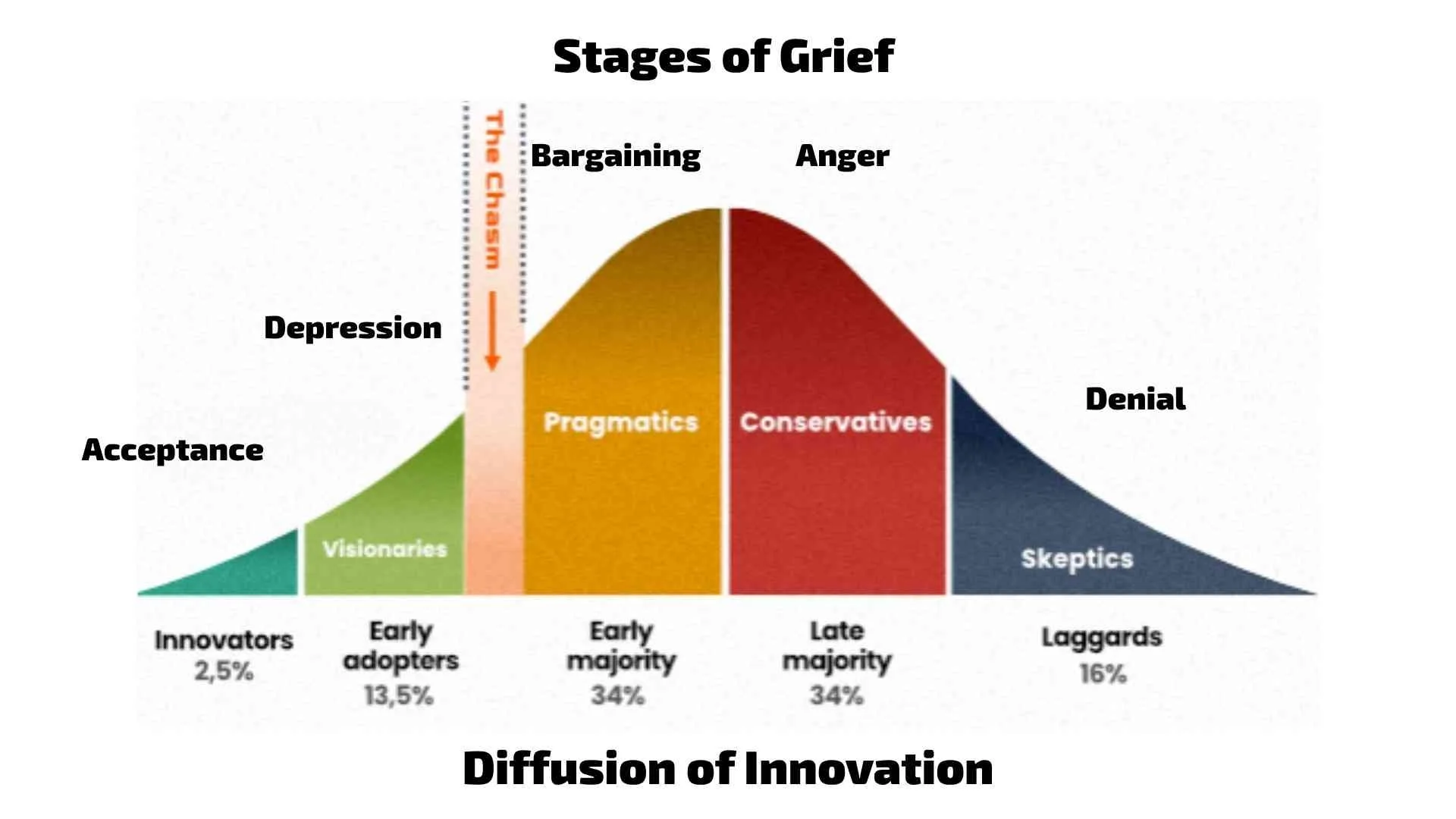
Why Teams Respond to Change at Different Speeds
When you introduce change—whether it's a new tool, process, reorganization, or way of working—you're asking people to move through a predictable sequence of psychological stages. These stages show up across three different frameworks that, remarkably, tell the same story:
Innovation Adoption → Change Transition → Grief Response

How to Preserve Company Culture When Scaling Fast
The tangible manifestations of the company's values, embodied in the LEGO models and the stories that accompanied them, served as powerful symbols of Perpay's ethos. As a company on the cusp of doubling its size, this reinforcement of core values was not just timely but pivotal.
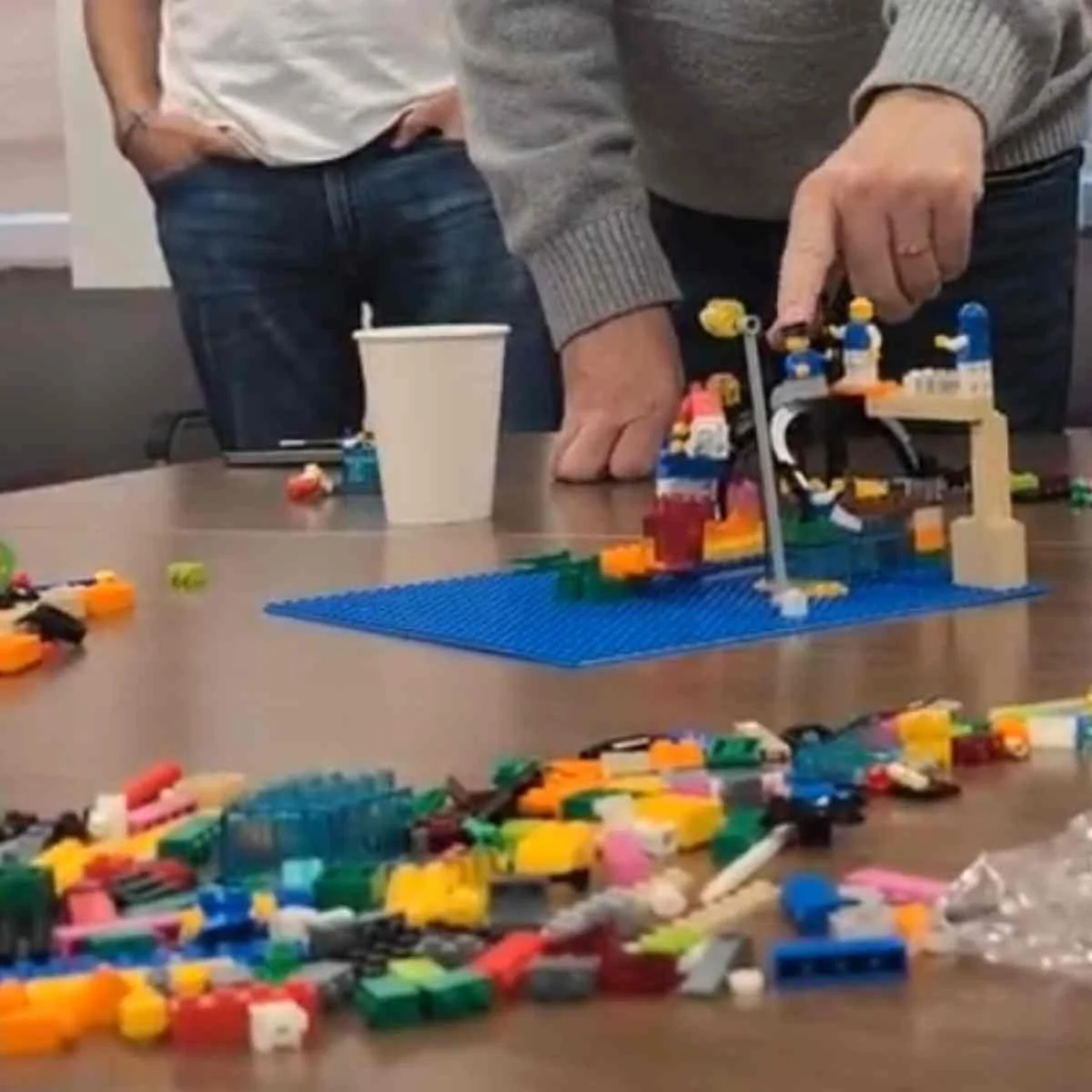
Why Traditional Meetings Don't Reveal What Your Team Really Thinks
Case Study: Digital marketing agency discovers breakthrough communication method after structural changes.
The Results: 100% of participants felt their perspective was heard and valued. 100% agreed that building with LEGO® helped them express ideas they would have otherwise kept hidden. 100% said insights arose that wouldn't have emerged in a standard meeting. 100% reported better understanding their colleagues' perspectives after the session