
Insights

Why Team Building Doesn't Work
Just like treating my knee pain with ice and rest didn't address the piriformis muscle issue, team building activities that focus on surface-level bonding rarely address the deeper systemic problems affecting your team's performance.
The symptoms aren't always obvious. You have to dig into the cultural systems that exist to get at the root cause - or more likely, multiple root causes working together.

Herding Squirrels Ep 12
In this engaging episode, Louie Celiberti, Managing Director and Head of Software Engineering at Guggenheim Partners, shares his insights on leadership through uncertainty, building cohesive teams, and navigating generational differences in the modern workplace. Through LEGO models, Louie demonstrates powerful concepts around servant leadership, embracing risk, and the cultural shifts happening in technology teams.

How to Choose the Right Workshop Format for Your Corporate Offsite
At IN8 Create, we're 100% outcome-focused. When your team spends time together, you should walk away with something concrete in addition to the insights and connection.
Think about it this way: instead of just learning about communication challenges, your team actually works through their specific communication blockers and creates agreements for how to handle them going forward.
Building Teams Through Play
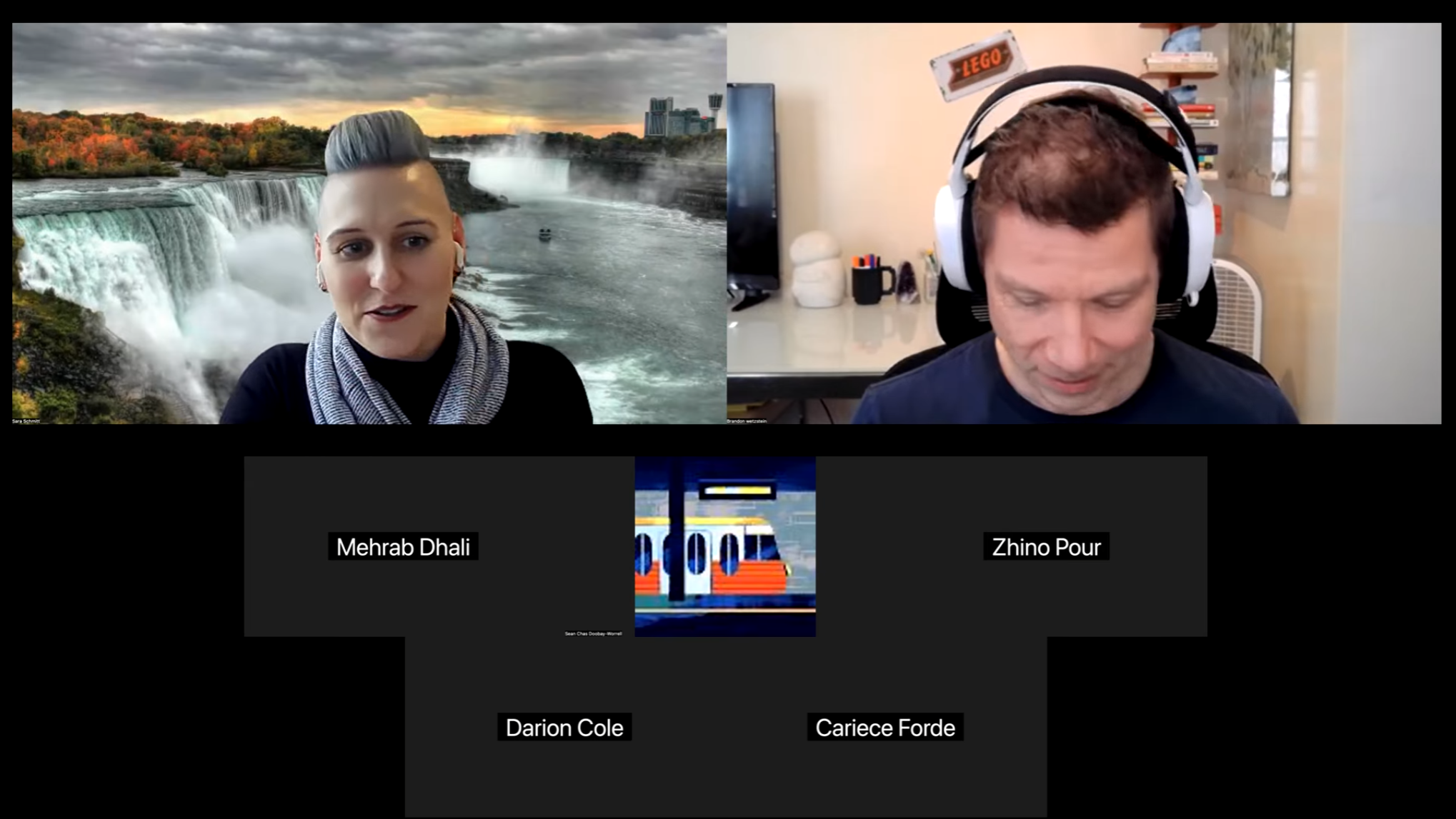
Brandon from IN8 Create joined CUNY Baruch and Yeshiva University students to discuss his unconventional approach to team development through LEGO Serious Play. In this engaging session, you'll discover why traditional team dynamics fail, how physical building unlocks hidden insights, and practical strategies for making every team member's voice count. Brandon shares real stories from corporate transformations, explains the psychology behind why "playing with toys" creates breakthrough moments, and demonstrates why the best team solutions often come from the quietest voices in the room.

Herding Squirrels Ep 11
Nicole Tibaldi, Engineering Director at The New York Times, joins us to explore what makes teams truly exceptional. You'll discover why the "shortcuts" to psychological safety don't work, how to lead through uncertainty when there's no playbook, and Nicole's surprising take on what went wrong when leadership used project cancellation as a "test." This conversation reveals that the foundation of great teams isn't complex—it's about patience, transparency, and showing up consistently for your people.

Your Team Hasn't Really Met Each Other Yet
This wasn't random team building. The workshop used LEGO Serious Play methodology—a proven approach that creates psychological safety through metaphor and hands-on building.
Here's why it works: When you're building with LEGO, you're not putting yourself on display. You're sharing stories through colorful bricks, which feels safer than direct conversation. Yet somehow, it reveals more authentic truths about who people really are.

The Leadership Communication Workshop That Was Doomed to Fail
The magic happened in the listening. As each person walked through their model, you could see the light bulbs going off around the room. The safety advocates finally understood why the rigor camp felt people came unprepared. The candor champions saw why others needed security before speaking up. Even the CEO seemed to grasp why their team felt unheard.
What surfaced wasn't some minor disagreement about meeting styles—it was three perfectly reasonable values locked in destructive tension, now clearly articulated through tangible models that everyone could see and understand:
LSP Agile Podcast
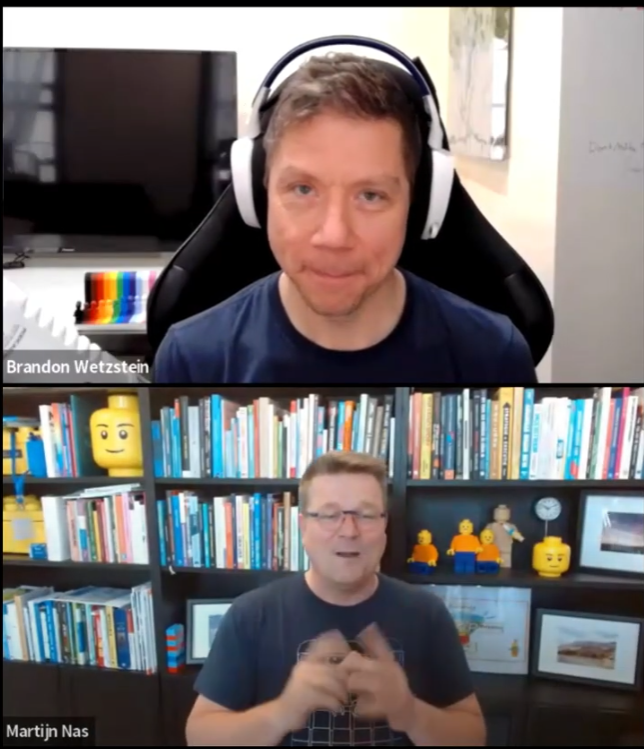
In this insightful interview with Martijn, IN8 Create founder Brandon Wetzstein reveals how LEGO® Serious Play® methodology revolutionizes team communication by eliminating the barriers that keep valuable voices silent. Brandon shares real client stories, including a marketing agency transformation and strategic planning sessions that generated 120+ insights in 20 minutes, while discussing the neuroscience behind why building with your hands unlocks authentic thinking. From overcoming client skepticism about "using toys for business" to practical advice for new LSP facilitators, this conversation explores when to use (and avoid) this powerful methodology for creating psychological safety and driving breakthrough collaboration in modern teams.

Those Who Don't Build Must Burn
As talent becomes harder and harder to attract and retain: Don't sacrifice your A-players to accommodate your C's.
That negative team member who's "not that bad" and "has some good qualities"? They're costing you far more than their salary. They're costing you the engagement, creativity, and performance of everyone around them.
There's an old Hindu proverb that says, "There are hundreds of paths up the mountain, all leading in the same direction, so it doesn't matter which path you take. The only one wasting time is the one who runs around and around the mountain, telling everyone that his or her path is wrong."

The Blacksmith's Guide to Team Transformation
Is your team ready for change? Look for these signs:
Trust that runs deep enough for people to be vulnerable about their struggles
Communication that flows freely without political filtering or fear
Shared commitment that burns bright enough to sustain effort through difficulty
Without these foundational elements, your change efforts will feel like hammering cold steel—lots of noise, little progress, and potential damage.

Building Resilient, Adaptable Teams That Thrive Through Change
In today's rapidly evolving workplace, your team's ability to adapt isn't just an advantage—it's essential for survival. But here's what most leaders miss: resilience isn't about toughness or pushing through adversity. It's about creating systems, relationships, and mindsets that allow your team to bend without breaking, to evolve without losing their core identity, and to find opportunity in every challenge.
This comprehensive guide explores team adaptability, drawing from real-world experiences and proven strategies to help you build a team that doesn't just survive change—they leverage it for growth.

Team Performance Systems: Building High-Performing Teams That Deliver Results
Team performance isn't about working harder—it's about working smarter together. Research shows that teams with effective performance systems are 25% more productive and deliver 2.7X more value than those without structured approaches. Yet most organizations struggle to move beyond surface-level team building to create lasting performance improvements.